






Comprehensive Fertility Treatments | Gynaecology Procedures | Menopause Management | Pregnancy Care | Maternity & Birthing
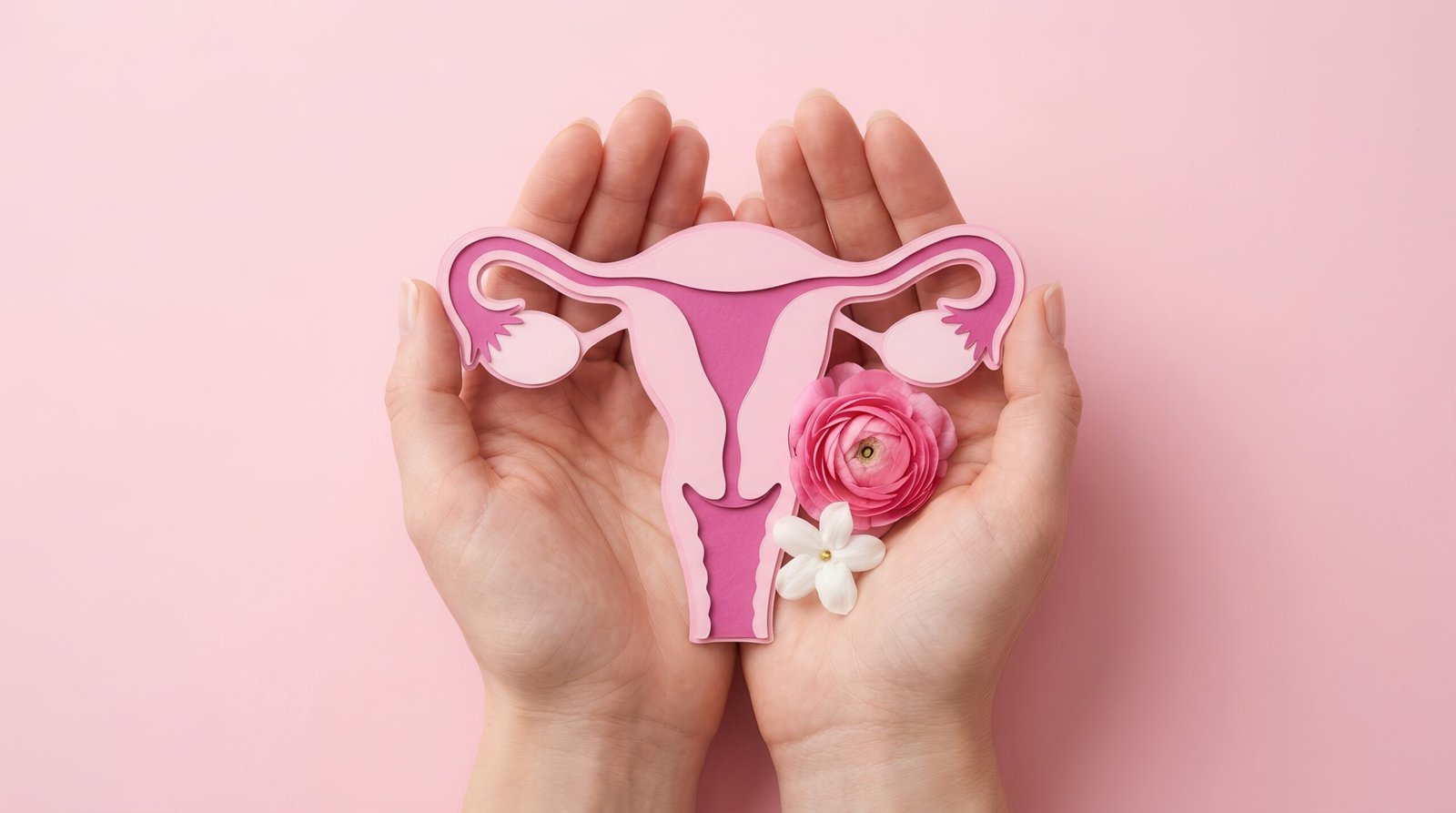
Learn about common PCOD symptoms, early warning signs, their link with fertility, and treatments available.
PCOD Symptoms and Treatment: Key Takeaways
|
If stubborn weight gain, unpredictable periods or persistent adult acne have ever made you feel as though your body is working against you, you are not alone. These can be signs of PCOD (polycystic ovarian disease), a condition that affects 10–13% of women of reproductive age, while up to 70% of those affected may remain undiagnosed as per World Health Organization. Also known as polycystic ovarian syndrome (PCOS), PCOD is now increasingly referred to as polyendocrine metabolic ovarian syndrome (PMOS), a term that better reflects its wider effects on hormonal balance, metabolism, skin, emotional well-being and reproductive health. Given the increasing instances of this disorder, every girl and woman need to know about its early warning signs and consult a specialist if the symptoms persist. To help, in this article, we’ll cover common PCOD symptoms and warning signs, along with diagnosis, fertility concerns and available treatments.
What are the Early Symptoms and Warning Signs of PCOD?
PCOD symptoms can vary considerably. Some women notice changes soon after their periods begin, while others become aware of the condition only when they face difficulty conceiving. A woman may experience only one or two signs, and the severity of these symptoms may also change over time.
1. Irregular, Delayed or Missed Periods
Changes in the menstrual cycle are among the most common PCOD symptoms. Periods may occur unpredictably, arrive after long gaps or stop for several months. Some women may have fewer periods than expected in a year, while others may find that their cycle length changes from one month to another.
These menstrual changes usually occur because ovulation is irregular or absent. However, irregular periods can have many possible causes, including thyroid conditions, changes in weight, stress and pregnancy. Repeated changes in the menstrual cycle should therefore be evaluated rather than automatically attributed to a PCOD problem.
2. Heavy or Prolonged Menstrual Bleeding
PCOD is often associated with missed or infrequent periods, but some women may experience heavy or prolonged bleeding. When ovulation does not occur regularly, the uterine lining may continue to build up and later shed more heavily.
Heavy bleeding should not be ignored, especially if it causes fatigue, dizziness or symptoms of anaemia. It may also occur because of other gynaecological conditions. Depending on the symptoms, a doctor may evaluate the woman for concerns that require separate care, such as uterine fibroids treatment.
3. Persistent Acne and Oily Skin
Hormonal changes associated with PCOD may increase oil production and contribute to persistent acne. Breakouts may commonly appear around the chin, jawline, chest or upper back and may continue well beyond adolescence.
Acne alone does not confirm PCOD. However, acne that occurs along with irregular periods, excess hair growth or unexplained weight changes may warrant a hormonal evaluation.
4. Excess Facial or Body Hair
Higher androgen activity can lead to coarse or dark hair growth on areas such as the upper lip, chin, chest, abdomen, lower back or inner thighs. This symptom is known medically as hirsutism.
Some natural variation in body hair is normal and may be influenced by family background. Facial hair growth is more likely to be linked to PCOD when it develops gradually alongside menstrual irregularities, acne or scalp hair thinning.
5. Hair Thinning or Excessive Hair Fall
While PCOD may increase hair growth on the face or body, it can have the opposite effect on the scalp. Some women experience widening of the hair parting, thinning around the crown or increased hair shedding.
Hair loss may also occur because of iron deficiency, thyroid problems, stress, nutritional deficiencies or other health conditions. A medical evaluation can help determine whether the symptom is linked to PCOD or another underlying concern.
6. Weight Gain or Difficulty Losing Weight
Some women with PCOD gain weight easily or find it difficult to lose weight despite making lifestyle changes. Weight may particularly collect around the abdomen. These concerns can be associated with insulin resistance, in which the body does not respond to insulin as effectively as it should.
However, PCOD does not affect only women who are overweight. Women with a healthy body weight or a lean build may also have the condition. Weight should therefore never be used as the only way to identify or rule out PCOD.
7. Darkened or Thickened Skin
Dark, velvety or slightly thickened skin may appear around the neck, underarms, groin or beneath the breasts. This change is known as acanthosis nigricans and may be associated with insulin resistance.
Skin darkening does not always indicate PCOD, but it should be discussed with a doctor when it develops alongside irregular periods, weight changes or other hormonal symptoms.
8. Difficulty Tracking Ovulation
Women with PCOD may ovulate irregularly or may not ovulate during some menstrual cycles. This can make it difficult to identify the fertile window using period dates or mobile applications.
Ovulation-prediction kits may also be harder to interpret in some women with PCOD because hormone levels can fluctuate. Those who are trying to conceive may benefit from medical ovulation tracking or follicular monitoring rather than relying only on calendar estimates.
9. Difficulty Getting Pregnant
For some women, difficulty conceiving is the first clear indication of a PCOD problem. They may not have considered their irregular periods significant until they begin planning a pregnancy.
PCOD is a common cause of irregular or absent ovulation and is recognised as a leading cause of infertility. However, it is important to remember that having PCOD does not mean that pregnancy is impossible. Many women conceive naturally or with appropriate medical and fertility support.
Which PCOD Symptoms Should Not Be Ignored?
Some PCOD symptoms may seem manageable at first, but certain changes deserve timely medical attention, especially when they are sudden, persistent or begin affecting daily life.
- No periods for several months
- Very heavy or prolonged bleeding
- Rapid increase in facial or body hair
- Sudden worsening of acne or hair loss
- Persistent difficulty conceiving
- Symptoms affecting emotional well-being
- Rapid or unexplained changes in weight
- Severe pelvic pain, which is not a typical defining symptom of PCOD and may indicate another condition requiring prompt evaluation
Can PMOS Symptoms Differ From One Woman to Another?
There is no single appearance or fixed set of symptoms that applies to every woman with PCOD. Some experience mainly menstrual changes, while others notice acne, excess facial hair, scalp hair thinning or difficulty managing their weight.
A woman may have regular-looking ovaries on an ultrasound and still meet the clinical criteria for the condition. Likewise, the presence of multiple ovarian follicles alone does not necessarily confirm PCOD. This is one reason the new term PMOS is considered more accurate: it reflects the wider endocrine and metabolic nature of the condition rather than focusing only on the ovaries.
Some women discover the condition only while undergoing fertility testing. Others may have mild symptoms for years before changes in their cycle, health or pregnancy plans lead them to seek medical advice.
How are PCOD Symptoms Evaluated?
PCOD is not diagnosed through a single test. A doctor usually considers the symptoms together and may recommend:
- A review of menstrual cycles and symptom history
- Assessment of acne, excess hair growth and weight changes
- Hormonal blood tests
- Blood sugar and metabolic health checks
- A pelvic ultrasound, when required
- Tests to rule out thyroid disorders and other possible causes
Ultrasound findings alone should not be used to diagnose PCOD, as the condition is assessed through a combination of symptoms, test results and medical history.
Are PCOD and Infertility Linked?
The main connection between PCOD and infertility is irregular ovulation. When an egg is not released regularly, there are fewer opportunities for sperm and egg to meet. Unpredictable cycles also make it harder to identify the most fertile days.
PCOD does not always cause infertility. Some women continue to ovulate and conceive naturally, even when their periods are not perfectly regular. The chances of conception also depend on age, ovarian reserve, fallopian-tube health, weight, metabolic health and the frequency and timing of intercourse. The male partner’s sperm health is equally important and should not be overlooked.
Women with very irregular or absent periods do not necessarily need to wait a full year before seeking fertility advice. Earlier consultation may be helpful when ovulation cannot be tracked, the woman is 35 or older, or another reproductive concern is already known.
Fertility support may include monitoring ovulation, planning intercourse around the fertile period and using medicines that encourage the release of an egg. Intrauterine insemination may be considered in selected cases, while IVF may be recommended when simpler options are unsuitable or have not been successful.
Can PCOD Be Cured Permanently?
Many women search for how to cure PCOD permanently, but there is currently no guaranteed permanent cure. The condition should be better understood as one that can be managed rather than permanently eliminated through a single medicine, diet or exercise routine.
An effective PCOD management plan should be designed to control symptoms, improve menstrual regularity, support ovulation, reduce androgen-related concerns and protect long-term metabolic and reproductive health.
Symptoms may improve considerably and remain controlled for long periods. The management plan may need to change as a woman moves through different life stages or begins planning a pregnancy.
What Treatments are Available for Managing PCOD?
PCOD problem treatment depends on the symptoms, overall health and whether a woman is planning a pregnancy. Depending on the symptoms and pregnancy goals, treatment options may include:
- Lifestyle changes: Balanced eating, regular physical activity, adequate sleep, stress management and weight management where medically appropriate
- Exercise: A sustainable exercise routine for those with PCOD may include brisk walking, cycling, swimming, strength training or yoga
- Medicines for irregular periods: Hormonal medicines or cyclic progesterone may help regulate periods and protect the uterine lining
- Treatment for acne and hair-related symptoms: Hormonal treatment, dermatological care, anti-androgen medicines and suitable hair-removal methods may be considered
- Management of insulin resistance: Dietary support, blood sugar monitoring and medicines such as metformin may be advised when appropriate
- Fertility treatment:Ovulation-induction medicines, follicular monitoring, timed intercourse, IUI or IVF may be recommended when required
- Surgery: Laparoscopic ovarian drilling is rarely used and may be considered only in selected infertility cases
No single PCOD treatment plan works for everyone. Treatment should be personalised according to the woman’s symptoms, health risks and pregnancy goals.
Take the First Step Towards Understanding Your Symptoms
PCOD symptoms can be confusing, especially when they develop gradually or seem unrelated. Irregular periods, acne, hair changes or difficulty conceiving may indicate that ovulation or hormonal balance is being affected. For women trying to conceive, timely evaluation can help identify the cause, guide suitable treatment and improve the chances of pregnancy with the right support.
At Gunjan IVF World, experienced fertility specialists, embryologists and medical professionals led by Dr Gunjan Gupta provide personalised support for PCOD, female and male infertility, fertility-enhancing procedures, gynaecology, IVF and pregnancy care. With over 20 years of experience, the team offers personalised care through clinics in Noida, Greater Noida West, Ghaziabad, Meerut and Janakpuri.
To book an appointment, call +919990044555, WhatsApp +91 70489 20797 or email gunjanivfworld@gmail.com. You can also book an appointment online through the Gunjan IVF World appointment page.
Can PCOD manifest without weight gain?
Can a woman have PCOD with regular periods?
At what age do PCOD symptoms usually begin?
Is facial hair growth always caused by PCOD?
Can PCOD cause heavy menstrual bleeding?
Can PCOD symptoms worsen with age?
How often should women with PCOD have their health checked?
Can women with PCOD conceive naturally?
Does every woman with PCOD need fertility treatment?
Can PCOD affect pregnancy after conception?
20+ Years Of Experience as Fertility Specialists
20 Years Of Experience as a Fertility Specialists
National Fertility Awards 2023

Call Us
+919990044555
Book An Appointment
Follow Us On
Related Blogs

TSH Normal Range During Pregnancy: A Trimester-Wise Guide
Comprehensive Fertility Treatments | Gynaecology Procedures | Menopause Management | Pregnancy Care | Maternity & Birthing Call +919990044555Understand the trimester-wise TSH normal range during pregnancy, what abnormal TSH levels may indicate, available treatment...

Symptoms of Pregnancy in the First Week: What You Need to Know
Comprehensive Fertility Treatments | Gynaecology Procedures | Menopause Management | Pregnancy Care | Maternity & Birthing Call +919990044555Learn which pregnancy symptoms may appear in the first week, how they differ from PMS and when to seek medical guidance....
Follow Us On
About Author

Dr. Gunjan Gupta
Gynecologist and IVF specialist
 Verified & Most Trusted One
Dr. Gunjan Gupta is a Gynaecologist with a specialization in IVF, Infertility & Laparoscopy specialist doctor and has close to 2 decades of experience in : Treating Infertility, Performing Gynae Laparoscopy (Keyhole Surgeries) Handing high-risk Pregnancies. She is a Member of Royal College of Obs and Gynae (MRCOG) of UK and has been trained in Laparoscopy at EUDGES (France).
To book an appointment, call: +919990044555