






Comprehensive Fertility Treatments | Gynaecology Procedures | Menopause Management | Pregnancy Care | Maternity & Birthing
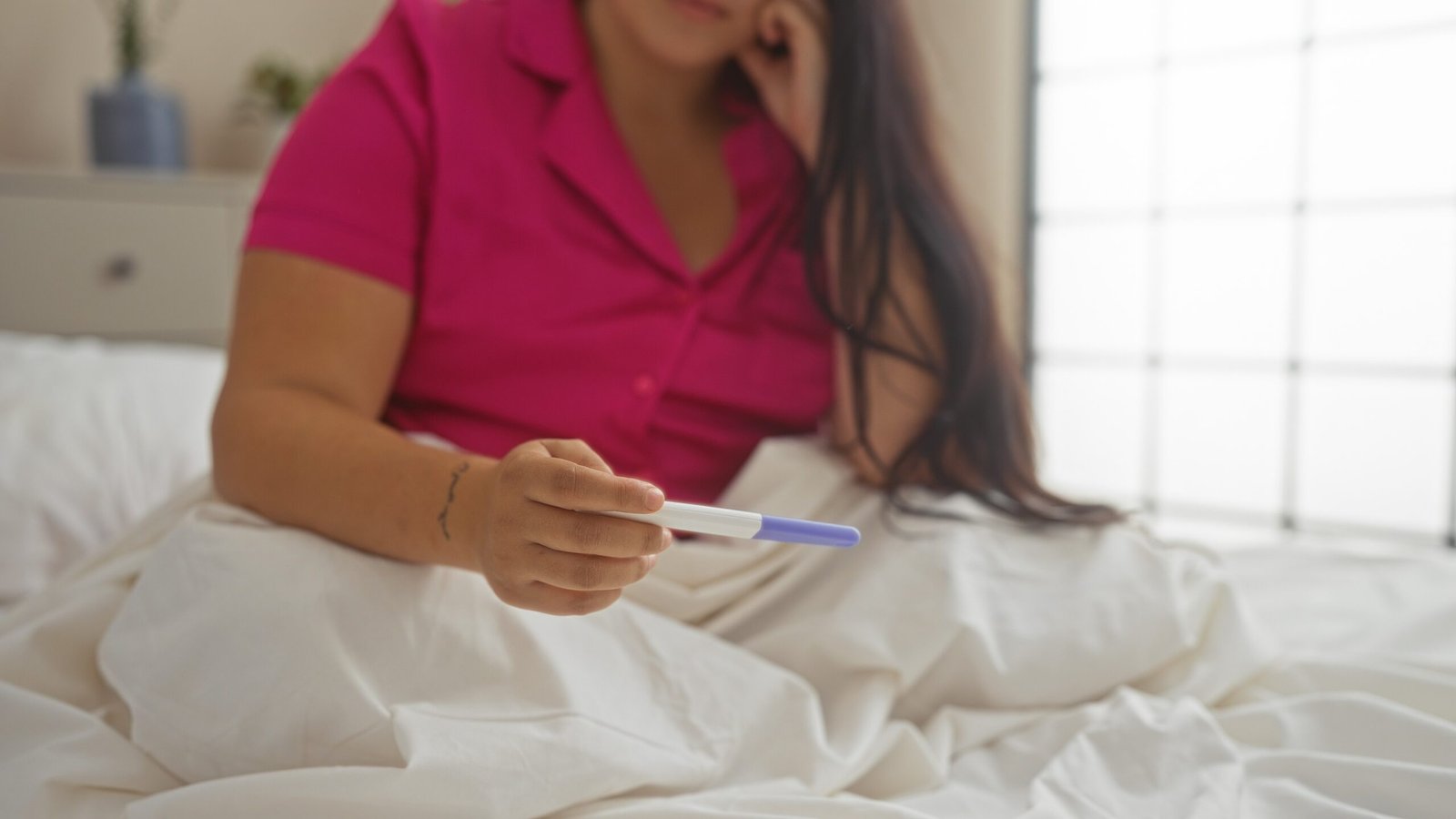
Learn which pregnancy symptoms may appear in the first week, how they differ from PMS and when to seek medical guidance.
Early Pregnancy Symptoms and Testing: Key Takeaways
|
Pregnancy can be a beautiful journey marked by excitement and anticipation, but it also brings with it uncertainty and many questions. Tiredness, breast tenderness, mild cramps or mood changes may make you wonder whether conception has occurred, but these changes can also appear before a period. Some women notice several changes in the initial stages, while others feel completely normal even after receiving a positive pregnancy test. To give you a better understanding of what lies ahead, in this article, we’ll explain the early signs of pregnancy, how they differ from PMS, when to take a pregnancy test, and when to seek medical guidance. Let’s begin by understanding what the first week of pregnancy may look like.
Understanding the First Week of Pregnancy
When you are trying to conceive, even a small change can make you wonder whether pregnancy has begun. However, doctors calculate pregnancy from the first day of your last period, not from the day of conception. This means ovulation and fertilisation may not have occurred during the first one to two weeks. When people refer to symptoms of pregnancy in the first week, they usually mean changes noticed after ovulation or before a missed period. Some women may notice mild symptoms, while others feel no different.
1st Week of Pregnancy: Early Signs and Symptoms
In the beginning of pregnancy, symptoms experienced by one woman may be very different from those experienced by another. Some of the more commonly reported signs of early pregnancy include:
1. Missed Period
For women with regular menstrual cycles, a missed period is often the earliest and most reliable sign of pregnancy. However, periods may also be delayed by stress, changes in weight, intense exercise, illness or hormonal conditions.
2. Breast Tenderness
Some women report their breasts feeling sore, heavy, swollen, or more sensitive than usual. These changes can develop because of shifting hormone levels, but they can also occur before a period.
3. Mild Cramping
Some women experience mild lower-abdominal cramps in early pregnancy. These may feel similar to menstrual cramps. Severe, worsening or one-sided pain should not be ignored.
4. Light Spotting
A small amount of pink, red or brown spotting may occasionally occur in very early pregnancy. Not every woman experiences it, and bleeding should never automatically be assumed to be harmless. Speak to a doctor if you are pregnant and notice bleeding, particularly when it is heavy or accompanied by pain.
5. Unusual Tiredness
Hormonal changes may leave you feeling more tired than usual. Fatigue is common during the first trimester, although tiredness alone does not confirm pregnancy.
6. Nausea or Food Sensitivity
Nausea can occur with or without vomiting and may happen at any time of day. It often begins later than the very earliest days of pregnancy, commonly at around four to six weeks.
7. Frequent Urination
Some women may feel the need to urinate more frequently, including during the night. This can develop as hormonal and circulatory changes begin affecting the body.
8. Bloating or Constipation
Hormonal changes may slow digestion, leading to bloating or constipation. These symptoms are also common before menstruation.
9. Mood Changes
Some women may feel unusually emotional, sensitive or irritable. However, mood fluctuations are also common during PMS.
10. Increased Vaginal Discharge
Some women notice an increase in thin, milky vaginal discharge during early pregnancy. This is usually not a concern when there is no itching, pain, burning or unpleasant smell. Speak to a doctor if the discharge changes colour, develops a strong odour or causes discomfort.
11. Changes in Taste
A metallic or unusual taste in the mouth can be an early pregnancy symptom. Some women also find that certain foods taste different or become less appealing than usual.
12. Increased Sensitivity to Smells
Some women become more sensitive to everyday smells, including food, perfume or cooking odours. Strong smells may also trigger nausea or sudden food aversions.
Remember that you can be pregnant without noticing any of these signs. An absence of pregnancy symptoms is not necessarily a cause for concern. Consult a doctor for medical advice.
Can Pregnancy Symptoms Appear Before a Missed Period?
Some women notice fatigue, breast tenderness, mild cramping or light spotting before a missed period, but these early pregnancy symptoms can feel very similar to PMS and may be difficult to interpret.
Pregnancy hormones rise gradually after implantation, so symptoms may be mild or absent before a test becomes positive. A missed period is usually a more reliable sign, and taking a pregnancy test at the right time is the best way to confirm pregnancy.
Pregnancy Symptoms Before a Missed Period vs PMS
| Symptom | Early Pregnancy | PMS |
| Breast tenderness | May continue after the expected period | Often improves once the period begins |
| Cramping | Usually mild and intermittent | Often occurs before or during the period |
| Spotting | May be light and brief | Menstrual flow usually becomes heavier |
| Fatigue | May continue or increase | Often improves after menstruation starts |
| Nausea | May occur | Less common |
| Bloating and mood changes | Possible | Common |
| Missed period | A key possible sign | The period usually begins |
Because these symptoms overlap, pregnancy cannot be confirmed from physical changes alone. The pregnancy symptoms and experience may be slightly different for those undergoing IVF.
Pregnancy Symptoms During IVF Treatment
Early pregnancy symptoms can be difficult to interpret in any cycle, but this can be especially confusing during IVF treatment. Women undergoing IVF are often prescribed hormonal medicines to support implantation and early pregnancy. These medicines, particularly progesterone, can cause breast tenderness, bloating, mild cramps, fatigue or nausea. After embryo transfer, implantation may begin within the next few days, while pregnancy testing is usually advised around 9 to 14 days later, depending on the treatment plan. Light spotting or cramping may occur during this period, but these symptoms do not confirm pregnancy because they may also be caused by the medicines or the procedure itself.
Take a pregnancy test only on the date advised by your fertility specialist and continue all prescribed medicines unless your doctor recommends otherwise.
When to Take a Pregnancy Test
For the most reliable result, take a home pregnancy test from the first day of your missed period. Testing earlier may give a false-negative result because hCG levels may still be too low. If you are unsure when your period is due, consider testing at least 21 days after unprotected intercourse. If the result is negative but your period does not begin, repeat the test after a few days. After a positive result, schedule a pregnancy check-up with a gynaecologist, who can guide you regarding supplements, tests, medicines and any additional monitoring required for a high-risk pregnancy.
| Situation | When to Test |
| Natural conception | From the first day of a missed period |
| Period date unknown | At least 21 days after unprotected intercourse |
| After IVF | On the date advised by the fertility specialist, usually 9–14 days after embryo transfer |
| Positive result | Schedule a pregnancy check-up |
How to Manage Early Pregnancy Symptoms
Once pregnancy is confirmed, mild symptoms such as nausea, fatigue, breast tenderness and bloating can often be managed with simple changes to your daily routine. The aim is to support comfort, hydration and adequate nutrition while recognising symptoms that require medical advice. Simple measures may help you feel more comfortable:
- Eat small, frequent meals if you feel nauseous.
- Drink enough fluids throughout the day.
- Rest when you feel unusually tired.
- Wear a comfortable, supportive bra for breast tenderness.
- Include fibre-rich foods to ease constipation.
- Continue gentle physical activity when your doctor considers it safe.
Avoid starting painkillers, herbal remedies, supplements or anti-nausea medicines without medical advice. Once pregnancy is possible or confirmed, your doctor can guide you towards options that are appropriate for you.
When Should You Seek Medical Care?
Most early pregnancy symptoms are mild, but some may signal a complication and should not be ignored. Knowing when to contact a doctor can help ensure timely assessment and protect both maternal and pregnancy health. Contact a doctor if you experience:
- Heavy bleeding
- Persistent vomiting
- Persistent fever
- Severe abdominal pain
- Pain that is mainly on one side
Seek urgent medical help if pain is accompanied by shoulder-tip pain, dizziness, fainting, or extreme weakness. These symptoms can sometimes occur with an ectopic pregnancy and require immediate assessment, even when you have not yet received a positive test result.
When Should You See a Fertility Specialist?
Consider consulting a fertility specialist if you have been trying to conceive for a year without success, or for six months if you are aged 35 or above. You may benefit from seeking guidance earlier if you have irregular or absent periods, PCOS, endometriosis, blocked fallopian tubes, recurrent pregnancy loss or a known fertility concern.
A fertility consultation does not always mean that you will need an IVF procedure. Rather, it is an opportunity to understand your reproductive health, identify possible concerns and discuss suitable next steps with a trusted expert.
Conclusion
Early pregnancy can feel different for every woman, and the symptoms could be subtle, confusing or completely absent. A timely pregnancy test and medical guidance can provide clarity and reassurance. At Gunjan IVF World, a team of experienced fertility specialists, embryologists and medical professionals led by Dr Gunjan Gupta provides support across IVF, female and male infertility, fertility surgeries, gynaecology and pregnancy care. With over 20 years of experience, the team provides affordable, transparent and personalised care through multiple clinics in Noida, Greater Noida West, Ghaziabad, Meerut and Janakpuri.
To book an appointment, simply call: +91 99900 44555, WhatsApp at: +91 70489 20797, or email at: gunjanivfworld@gmail.com. You can also book an appointment online through the Gunjan IVF World appointment page.
Frequently Asked Questions
Q.1 When is the best time to take a pregnancy test?
Most home pregnancy tests are most reliable from the first day of your missed period. Testing earlier may produce a false-negative result because pregnancy hormone levels may still be too low.
Q.2 Can a pregnancy test be positive before a missed period?
Yes, some sensitive tests can detect pregnancy before a missed period. However, results are generally more reliable once your period is due.
Q.3 How accurate are home pregnancy tests?
Home pregnancy tests can be highly reliable when taken at the appropriate time and used according to the instructions. Testing too early, using diluted urine or reading the result incorrectly may affect accuracy.
Q.4 Can a pregnancy test be negative even if I am pregnant?
Yes. A false-negative result can occur when hCG levels are still too low to be detected. If your period has not started, repeat the test after a few days or consult a gynaecologist for further guidance.
Q.5 Can I be pregnant without experiencing early pregnancy symptoms?
Yes. Some women experience several early pregnancy symptoms, while others notice no physical changes at all. The presence or absence of symptoms cannot confirm pregnancy. A pregnancy test taken at the appropriate time is the most reliable way to find out.
Q.6 Is lower back pain one of the symptoms of pregnancy?
Mild lower back discomfort may occur during early pregnancy because of hormonal and physical changes. However, back pain can also result from menstruation, poor posture, exercise or muscle strain. Consult a doctor if the pain is severe, persistent or accompanied by bleeding, fever or abdominal pain.
Q.7 What does a faint line on a pregnancy test mean?
A faint line appearing within the reading time mentioned in the pregnancy test instructions may indicate that hCG has been detected. Repeat the test after a few days or consult a gynaecologist for confirmation. A line appearing after the recommended reading window may not be reliable.
Q.8 Should I use first-morning urine for a pregnancy test?
A pregnancy test can usually be taken at any time of day, but first-morning urine is often more concentrated. It may be useful when testing very early. Avoid drinking excessive amounts of water before the test, as diluted urine may affect the result.
Q.9 Can medicines affect pregnancy test results?
Most medicines do not affect the result of a home pregnancy test. However, certain fertility medicines containing hCG may produce a positive result before pregnancy is confirmed. Inform your doctor about any fertility injections, prescription medicines or supplements you are taking.
Q.10 When can pregnancy usually be seen on an ultrasound?
The timing depends on how far the pregnancy has progressed and whether an abdominal or transvaginal ultrasound is performed. A scan conducted very early may not show clear findings even when a pregnancy test is positive. Your gynaecologist will recommend the appropriate time based on your pregnancy timeline, symptoms and medical history.
20+ Years Of Experience as Fertility Specialists
20 Years Of Experience as a Fertility Specialists
National Fertility Awards 2023

Call Us
+919990044555
Book An Appointment
Follow Us On
Related Blogs

TSH Normal Range During Pregnancy: A Trimester-Wise Guide
Comprehensive Fertility Treatments | Gynaecology Procedures | Menopause Management | Pregnancy Care | Maternity & Birthing Call +919990044555Understand the trimester-wise TSH normal range during pregnancy, what abnormal TSH levels may indicate, available treatment...

PCOD Symptoms: Early Warning Signs Every Woman Should Know
Comprehensive Fertility Treatments | Gynaecology Procedures | Menopause Management | Pregnancy Care | Maternity & Birthing Call +919990044555Learn about common PCOD symptoms, early warning signs, their link with fertility, and treatments available. PCOD Symptoms...
Follow Us On
About Author

Dr. Gunjan Gupta
Gynecologist and IVF specialist
 Verified & Most Trusted One
Dr. Gunjan Gupta is a Gynaecologist with a specialization in IVF, Infertility & Laparoscopy specialist doctor and has close to 2 decades of experience in : Treating Infertility, Performing Gynae Laparoscopy (Keyhole Surgeries) Handing high-risk Pregnancies. She is a Member of Royal College of Obs and Gynae (MRCOG) of UK and has been trained in Laparoscopy at EUDGES (France).
To book an appointment, call: +919990044555