


What You Need to Know (30-Second Summary)
- 50/50 Dual-Partner Reality: Sperm count, motility, or genetic integrity contributes to half of all fertility delays; evaluate both partners simultaneously.
- The 74-Day Biology: Testicular sperm production takes 74 days; lifestyle changes, varicocele repair, or antioxidant therapy take three months to reflect in tests.
- Treatable Varicoceles: Swollen scrotal veins act like an overheated car engine bay; microscopic subinguinal correction restores normal testicular temperature.
- Advanced ICSI & Retrieval: Even when semen reports show severe deficits or zero sperm, ICSI and surgical retrieval (PESA/TESA/Micro-TESE) deliver biological fatherhood.
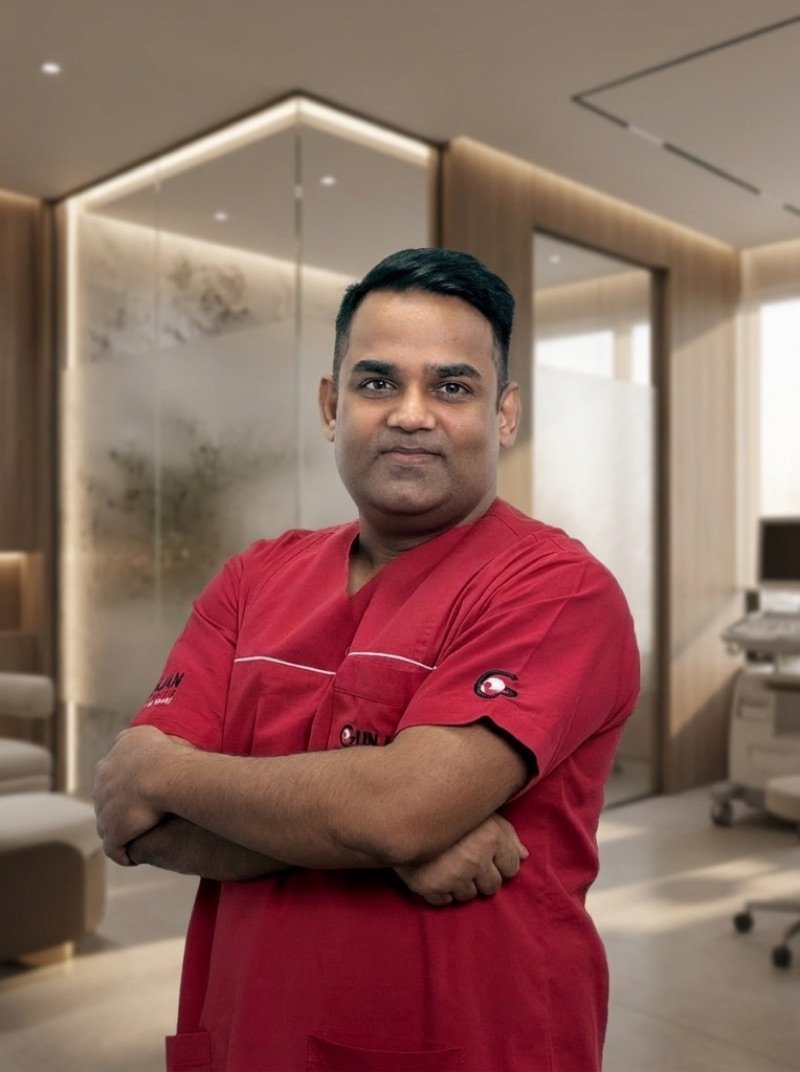
- Attributed Specialist: Comprehensive male factor fertility care and andrology protocols are guided by Dr. Gunjan Gupta Govil across Delhi NCR centres.
Male infertility is not one disease. It has many causes. Hormones fail. Veins dilate. Tubes block. In our clinics, we investigate every single factor.
When a man discovers that his sperm parameters are abnormal, his first question is almost always, "Why did this happen to me. ".
"Male factor challenges require patient, methodical evaluation. From hormone optimization to cleanroom sperm sorting, modern andrology offers genuine pathways to biological fatherhood."
He reviews his habits. He wonders if cycling as a teenager, wearing tight jeans, or working long hours caused the problem.
We approach male factor systematically. We look at three distinct anatomical zones: pre-testicular, testicular, and post-testicular. Each zone has clear solutions.
We divide the underlying causes into three distinct anatomical categories: pre-testicular, testicular, and post-testicular.
Understanding where the breakdown occurs determines the exact medical or surgical treatment needed.
Hormonal Signals and Pre-Testicular Factors
Pre-testicular causes originate outside the reproductive organs, primarily in the brain's endocrine control centers.
Sperm production requires continuous chemical instructions from the hypothalamic-pituitary-gonadal axis.
The hypothalamus pulses GnRH. The pituitary secretes FSH to stimulate Sertoli cells, and LH to stimulate Leydig cells.
If brain signals fail, testes remain dormant. Testosterone drops. Sperm count crashes.
In hypogonadotropic hypogonadism, the brain fails to manufacture adequate FSH and LH. The brain fails to manufacture adequate FSH and LH. This can stem from congenital conditions like Kallmann syndrome, pituitary micro-adenomas, head trauma, or brain radiation.
Exogenous Steroids and Testosterone Abuse: Many young men unknowingly destroy their fertility by using anabolic steroids, testosterone gels, or unverified gym supplements. When exogenous testosterone enters your bloodstream, the brain assumes your body has massive excess hormone. It shuts down pituitary FSH and LH secretion cold. Within months, testicular sperm production crashes to zero.
With hyperprolactinemia, elevated prolactin from stress or medications suppresses testosterone. Elevated prolactin from stress, medications, or pituitary adenomas suppresses GnRH. This causes low testosterone, erectile dysfunction, and low sperm counts.
When thyroid disorders arise, severe hypothyroidism disrupts normal testicular regulation. Severe hypothyroidism or hyperthyroidism disrupts testosterone-estrogen ratios and impairs spermatogenesis.
The Cellular Factory and Direct Testicular Factors
Testicular causes originate within the testes themselves.
Here, the hormonal signals from the brain are normal or elevated. However, the testicular tissue fails to manufacture healthy sperm.
Varicoceles are extraordinarily common. Dilated veins pool hot venous blood. Testicular temperature climbs. Oxidative stress damages fragile sperm membranes.
A history of cryptorchidism or undescended testes in childhood leaves germ cells heat damaged. Undescended testes in childhood. Even if surgically corrected later in life, testes exposed to internal body heat suffer permanent germ cell loss.
Genetic Flaws and Chromosomal Deletions: Klinefelter syndrome (47,XXY) causes testicular fibrosis and azoospermia. Y-chromosome microdeletions in the AZF regions (AZFa, AZFb, AZFc) delete critical spermatogenesis genes.
Adult viral mumps orchitis or epididymitis can cause severe atrophy of seminiferous tubules. Viral mumps orchitis during or after puberty can cause severe testicular atrophy and permanent germ cell destruction.
Chronic exposure to heavy metals like lead and cadmium reduces sperm vitality. Heavy metals (lead, cadmium), industrial solvents, agricultural pesticides, chemotherapy. Pelvic radiation cause profound testicular damage.
Physical Transport Obstacles and Post-Testicular Factors
In post-testicular causes, the testes manufacture healthy, viable sperm. However, a physical obstacle or ejaculatory defect prevents sperm from exiting into the ejaculate.
A previous vasectomy surgically interrupts the vas deferens tubes. Surgical interruption of the vas deferens for contraception.
Congenital Bilateral Absence of the Vas Deferens, or CBAVD: A genetic condition strongly linked to Cystic Fibrosis gene mutations. Here, the transport tubes never develop.
Epididymal obstruction from past infections blocks sperm from transiting outward. Scarring from previous sexually transmitted infections, such as Chlamydia or Gonorrhea, or chronic epididymitis blocks sperm passage.
Cysts or stones can obstruct the ejaculatory ducts in the prostate gland. Cysts or stones blocking the ejaculatory ducts in the prostate.
In retrograde ejaculation, the bladder neck fails to close during orgasm, pushing semen into the bladder. The bladder neck fails to close during orgasm. This causes semen to shoot past into the bladder rather than forward out of the urethra. Common in men with diabetes or following pelvic surgeries.
The Diagnostic Roadmap
To pinpoint the exact cause, we conduct a comprehensive andrological evaluation:.
During physical examination, our andrologist evaluates testicular size, consistency, and cord structures. Our specialist palpates testicular size, consistency, and epididymal fullness. We examine the spermatic cords and check for varicoceles while the patient performs a Valsalva maneuver standing up.
A fasting morning hormonal profile measures FSH, LH, total testosterone, and prolactin. Fasting morning blood for FSH, LH, total testosterone, and prolactin. Elevated FSH with small soft testes confirms primary testicular failure. Normal FSH with azoospermia strongly suggests physical obstruction.
For counts below five million, genetic screening tests for karyotype anomalies and Y-chromosome microdeletions. In men with sperm counts below five million, we perform peripheral blood karyotyping and Y-chromosome microdeletion testing. In men with absent vas deferens, we test for CFTR gene mutations.
High-resolution scrotal Doppler ultrasound evaluates testicular architecture and venous reflux. High-resolution ultrasound evaluates testicular parenchyma, measures varicocele vein diameters. Detects cysts blocking ejaculatory ducts.
Post-ejaculatory urinalysis confirms retrograde flow when semen volume is very low. In men with dry orgasms or very low semen volume, we centrifuge a urine sample collected immediately after ejaculation. Finding millions of sperm in the urine confirms retrograde ejaculation.
Evidence-Based Treatments
Treatment follows the exact cause. We do not guess. We prescribe evidence-based therapies:.
Medical therapy with gonadotropins can restore sperm production in secondary hypogonadism. Gonadotropin therapy (hCG and HMG injections) restores sperm production in hypogonadotropic hypogonadism. Antibiotics clear chronic infections. Alpha-agonists like pseudoephedrine close the bladder neck in retrograde ejaculation.
Microsurgical varicocelectomy ligates dilated veins through a tiny sub-inguinal incision. Performed through a tiny groin incision under an operating microscope. The surgeon ties off dilated veins while sparing testicular arteries and lymphatic channels. Semen parameters improve in seventy percent of men.
Microsurgical vasectomy reversal reconnects severed tubes with micro-sutures. Microsurgical vasovasostomy reconnects the severed ends of the vas deferens with microscopic sutures thinner than a hair.
When severe parameters persist, assisted reproduction via ICSI achieves high fertilisation rates. For men with irreparable testicular damage or severe oligospermia, ICSI provides definitive solutions. Even with counts under one million, ICSI achieves exceptional fertilisation rates.
Surgical retrieval techniques like TESA and Micro-TESE extract viable sperm directly from tissue. In obstructive or non-obstructive azoospermia, procedures like PESA, TESA. Micro-TESE extract viable sperm directly from the reproductive tract for ICSI.
Take Action Today
Male infertility has clear medical solutions. Hormones can be balanced. Veins can be repaired. Blockages can be bypassed.
Do not allow embarrassment to delay your dreams of parenthood.
Schedule a comprehensive andrological evaluation. Pinpoint the cause. Let modern reproductive medicine help you build your family.
Metabolic Obesity and Aromatase Overdrive
A major hidden cause of male factor infertility in urban India is metabolic obesity.
Many men do not realize that excess adipose tissue acts as an active endocrine organ.
Fat cells, particularly visceral abdominal fat, contain high concentrations of the enzyme aromatase.
Aromatase converts circulating testosterone into estradiol.
In overweight men, high circulating estrogen sends a negative feedback signal to the hypothalamus and pituitary gland.
The brain assumes the body has plenty of sex hormones. It cuts back on FSH and LH secretion.
This triggers a state called Hypogonadotropic Hypoandrogenemic Oligospermia.
Testosterone levels plummet. Estrogen levels climb. The man experiences low libido, chronic fatigue, muscle loss, and progressive declines in sperm count and motility.
We treat this metabolically and medically.
We prescribe low-dose Aromatase Inhibitors, such as Letrozole 2.5 milligrams daily or Anastrozole 1 milligram daily, for three to six months.
By blocking the aromatase enzyme, these medications halt the conversion of testosterone to estrogen.
Serum estradiol drops. The brain responds by releasing natural surges of FSH and LH.
Natural intratesticular testosterone synthesis surges by two to three hundred percent, driving robust improvements in sperm count and motility.
Medical Priming Before Surgical Sperm Retrieval
In men with non-obstructive azoospermia preparing for Micro-TESE, medical priming significantly enhances surgical outcomes.
Rather than proceeding blindly to surgery, we optimize the testicular microenvironment for three to six months beforehand.
If baseline morning serum testosterone is low (under 300 ng/dL), our andrologist initiates medical optimization:.
Clomiphene Citrate (25 to 50 mg daily) or Tamoxifen: Selective estrogen receptor modulators that block estrogen feedback at the pituitary, boosting endogenous LH and FSH secretion.
Human Chorionic Gonadotropin (hCG 2000 to 5000 IU weekly): Directly stimulates testicular Leydig cells to produce immense local concentrations of intratesticular testosterone.
Injectable recombinant gonadotropins directly stimulate Sertoli cells to support spermatogenesis. Directly stimulates Sertoli cells to support germ cell survival.
Studies demonstrate that elevating intratesticular testosterone prior to Micro-TESE dilates seminiferous tubules, significantly increasing the probability of finding viable sperm under the operating microscope.
Varicocele Embolization Versus Microsurgical Repair
Men with varicoceles often ask about percutaneous embolization as an alternative to surgery.
Varicocele embolization is performed by an interventional radiologist.
A catheter is inserted through the femoral or jugular vein and navigated down to the internal spermatic vein under fluoroscopic X-ray guidance.
Coils or liquid sclerosant agents are deployed to block the vein.
While embolization avoids a surgical incision, clinical trials demonstrate that Microsurgical Subinguinal Varicocelectomy remains the superior treatment for fertility.
Embolization carries higher recurrence rates (up to ten percent) due to collateral veins that bypass the coils. It also exposes the pelvic and scrotal area to ionizing X-ray radiation.
Microsurgical repair directly visualizes every tiny collateral branch and cremasteric vein under high-power optical magnification.
Microsurgery achieves a recurrence rate under one percent, zero radiation exposure. Superior long-term improvements in semen parameters.
Partner with an expert andrologist. Choose proven treatments. Take action early. Time matters in fertility. With modern science, biological fatherhood is completely achievable.
Repeat Testing and Follow-Up Milestones
Following medical therapy or varicocele surgery, patience is essential.
Spermatogenesis takes seventy-four days.
Any treatment started today affects immature germ cells deep inside the testes.
Those cells need nearly three months to mature, divide, and travel through the epididymis.
We schedule follow-up semen analysis at three months and six months post-treatment.
Testing earlier than ten weeks provides a misleading picture, as older damaged sperm are still clearing the tract.
We also re-evaluate sperm DNA fragmentation at the three-month mark.
Watching progressive motility double and DNA fragmentation drop confirms that testicular healing has occurred.
Stay consistent with your medications. Keep your lifestyle disciplined. Your body will respond.
📚 Recommended Clinical Guides
Frequently Asked Questions About Male Infertility: Causes, Tests, and Treatment Options Explained
Is male infertility completely reversible?
Many common causes are fully reversible. Varicoceles can be repaired with surgery. Hormonal gaps respond well to medications. Oxidative damage reverses after three months of clean living and antioxidants. Even when counts cannot be raised naturally, advanced assisted technologies like ICSI allow men with severe deficits to father healthy biological children.
How long does it take for semen parameters to improve after starting treatment?
Sperm production takes seventy-four days. You will not see changes on a report overnight. Any supplement plan or surgery needs three full months before retesting. Patience during these ninety days is essential.
Can you have a baby if your semen report shows zero sperm?
Yes. Zero sperm in your semen does not mean your testicles are empty. In most cases, the exit channel is blocked, or the factory is operating at low volume. Under light sedation, we use a gentle procedure called Micro-TESE to open tiny tubules and search for hidden sperm under an advanced microscope. Finding just ten or twenty living sperm is enough for our cleanroom to fertilise your partner's eggs.
What daily habits damage sperm counts fastest?
Nicotine is the most aggressive culprit. It fractures sperm DNA chains directly. Never carry your phone in your front trouser pocket. Never work with a warm laptop on your lap. Switch to loose cotton boxers to keep your scrotum cool. Avoid unverified bodybuilding protein powders that secretly contain steroids.
What is the difference between a routine semen analysis and a DFI test?
A routine semen test looks at the outside of the cell. It counts sperm, clocks swimming speed, and checks shape. A DNA Fragmentation Index test looks inside the sperm head at the genetic integrity. It checks whether the genetic code inside the sperm head is intact or fragmented. You can have a normal sperm count with damaged DNA. That often explains repeated early miscarriages or unexplained delays.
When should we schedule a male fertility consultation?
Do not wait a year if you have known risk factors. Childhood undescended testicles, hernia surgeries, or adult mumps require immediate checks. A simple semen analysis belongs at the very beginning of your fertility evaluation. No delays.
The Path Forward: Taking Your Next Step with Confidence
Male factor infertility is a common, treatable medical condition that should be addressed with the same diagnostic rigor as female reproductive disorders. Whether the underlying cause is a physical varicocele, hormonal hypogonadism, lifestyle oxidative stress, or genetic microdeletions, identifying the specific etiology allows for targeted medical and surgical correction.
Do not rely on over-the-counter supplements to fix an abnormal semen analysis. Schedule a consultation with a reproductive andrology specialist. A repeat semen analysis adhering to WHO 6th edition standards, a scrotal color Doppler ultrasound, and an endocrine panel (FSH, LH, total testosterone) provide the clinical foundation for an effective treatment strategy.
From medical management and microsurgical varicocelectomy to advanced ICSI and micro-TESE, Gunjan IVF World offers comprehensive male fertility solutions. Book a consultation with Dr. Gunjan Gupta Govil and our specialized andrology team at our clinics in Indirapuram, Janakpuri, Noida Sector 49, Greater Noida West, or Meerut.